JAPAN
Event Guide
March 28 - April 5, 2026
Welcome to
JAPAN
We’ve fallen in love with the vibrant colors of Japan! We are so glad that you chose to travel with us and we hope you create memories that last a lifetime. Before we embark on this trail running excursion, let’s cover a few ground rules.
1. Once we arrive, we’ll send daily text updates on what we are doing. Please make sure you’ve joined the WhatsApp group so that you don’t get left in the dark for any of the activities.
2. Be kind to our local team, be kind to each other, and be kind to the places we visit!
3. Go with the flow! Runseek is all about fun, trying new things, and pushing your own personal limits. Runseek is filled with new experiences, and you’ll be surprised at what you can take away from your trip when you just hang on for the ride. It’ll be fun!
We can’t wait to watch this week unfold. Japan is going to be an eye-opening adventure and a chance for each of us to learn something new about the world and ourselves. Lace up your shoes and enjoy the ride!
Sjaak Mintjens
Event Director

Sjaak Mintjens | Event Director
Phone +81 90-4153-7151
Chad Maris | Japan Partner and course manager
Phone +81 70-5819-8042
Local emergency
Phone 119 + alert Sjaak asap!
Quick Contacts & Info
JAPAN visa
Travelers who want to perform arrival procedures prior to landing in Japan, such as immigration, customs and tax-free shopping services, can fill out the forms via this link. It is not necessary to complete this form prior to arrival, however should expedite the process going through customs. Click the link below to access this form.
-
Create an account
-
Verify your account with the code they email to you
-
Register your passport details
-
Register planned entry/return, enter your flight arrival info
-
Fill out the customs declaration form
-
Obtain QR code for immigration clearance (take screenshot)
-
Obtain QR code for customs declaration (take screenshot)
-
Postal Code: 1088611
Prefecture: Tokyo To
City: Minato Ku
Address: 4 Chome-10-30 Takanawa
Hotel: Shinagawa Prince Hotel
Hotel Phone: +81 3-3440-1111
-
United States Citizens are exempt from needing a visa. For more information, visit: https://www.mofa.go.jp/j_info/visit/visa/short/novisa.html
-


HOW TO GET TO THE AIRPORT
DAILY ITINERARY
& ACTIVITY MAP
This itinerary is a general guide to how your days will flow. The exact time for daily departures, runs, activities, etc. will be communicated during the trip.
It is a good idea to pack everything you may need for the day in your day pack. This will stay on the bus with you throughout the day.
We recommend always packing water, snacks, a jacket, a change of clothes and/or shoes, and something to do on the bus.
We’re checking out of our hotel on the days you see a suitcase
It’s laundry day! We’ll gather up your dirty gear and deliver it the following day.


*Subject to change


*Subject to change


*Subject to change


*Subject to change


*Subject to change


*Subject to change


*Subject to change
.jpg)

*Subject to change


*Subject to change
6 RUNS, 41KM



Night 3-4| Tenseien Odawara Station Annex, Hakone
Free Time Approx: 5:00pm to 6:30pm
Garden
Onsite Restaurant & Bar
Spa
Jacuzzi & Sauna
.jpeg)

Night 4 | Celecton Hotel Gotemba, Kanagawa
Free Time Approx: 4:00pm to 6:30pm
Spa
Onsite Restaurant & Bar

Night 5-6 | Onyado Nono, Kyoto
Free Time Approx: 7:30am to 8pm on Wednesday
And from 10:30 am to 8:00 pm on Thursday
Massage Chair
Onsite Restaurant & Bar
Sauna
Hot Spring Bath
Night 7-8 | Hotel Monterey Le Frere Osaka, Osaka
Free Time Approx: 4:30pm to 6:30 pm on Saturday
Spa
Onsite Restaurant & Bar


FAQS
Each evening around dinner time, your event director will send a message on WhatsApp with the next day’s schedule. If you have free time that day, you’ll see it in the schedule and you can do whatever you like! You don’t have to take advantage of the amenities at the hotel - you can take a nap, read, walk around, try a new restaurant, whatever you prefer.
Amenities that are generally included in the reservation are typically free. Amenities such as spas, bars and restaurants would be at your own expense.
We encourage you to not book a service or tour close to the time we return to the hotel, as sometimes there are unforseen delays or changes. If you want to book a specific tour or service during free time, check with your event director first.
From Shinagawa Hotel to Torikaku Restaurant


Hotel check out
Breakfast is from 6:45 to 10:30 (last entry at 10).
The hotel check-out time is by 11am. Make sure to not leave any belongings behind and turn in your room key at the front desk.
To access point of the bullet train for either airport
Directions: Take the train (Tokaido-sanyo line) from Osaka Station to Shin Osaka Station.
Price: ¥170 ($1)
Travel time: 3 minutes

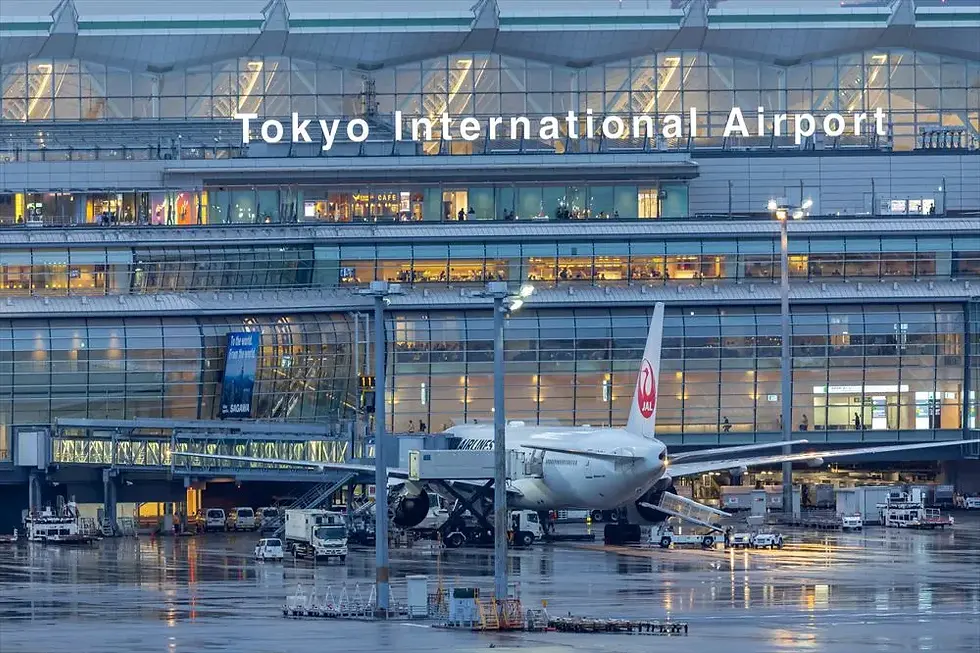
To Haneda
Directions: Take the bullet train to Shinagawa Station,
transfer to the Keikyu Line to Haneda Int'l Airport.
Price: Approx. ¥15,000 ($100)
Travel time: Part 1 takes 2 hours and 19 minutes, part 2
takes 12 minutes.
To Narita
Directions: Take the bullet train to Tokyo Station (for shopping) or Shinagawa Station (quickest transfer), transfer to the Narita Express for Narita Int'l Airport.
Price: Approx. ¥17,000 ($120)
Travel time: Bullet train approx. 2 and a half hours, Narita Express approx. 1 hour. Bullet train is slightly shorter and Narita Express slightly longer for the Shinagawa Station route.

LOCAL THINGS TO do

Tokyo
Tokyo Skytree
Standing as the tallest structure in Japan, the Tokyo Skytree offers expansive views of the city from its observation decks. Pro tip: catch the sunset for an even more unforgettable experience.
Meiji Shrine
Dedicated to the deified spirits of Emperor Meiji and Empress Shōken, the Meiji Shrine is surrounded by a beautiful forest and serves as a serene escape from the busy city.
Senso-ji Temple
Located in the Asakusa neighborhood, the Senso-ji Temple is a popular tourist attraction and a great opportunity to immerse yourself in Japanese culture. Don't forget to try some of the traditional Japanese snacks in the surrounding streets
Shibuya
As a popular shopping and entertainment district, Shibuya is home to the iconic scramble crossing and an array of Japanese food restaurants, bars, and clubs to enjoy. Don't miss out on the chance to immerse yourself in Tokyo's nightlife.
Imperial Palace East Gardens
These gardens, located just outside the Imperial Palace, are a great place to relax and take in the sights and sounds of nature, including the famous cherry blossoms. Best of all, they are free to enter and open to the public except on Mondays, Fridays, and special occasions.

Kyoto
Kinkaku-ji (The Golden Pavilion)
This Zen Buddhist temple is renowned for its stunning golden exterior and beautiful surrounding gardens.
Kiyomizu-dera
This historic temple is famous for its wooden stage that offers panoramic views of Kyoto, particularly during cherry blossom season.
Nijo Castle
A UNESCO World Heritage Site, Nijo Castle features beautiful gardens and historic architecture, including “nightingale floors” that chirp when walked upon.
Kiyomizu-dera
Perfect for manga enthusiasts, this museum houses a vast collection of manga and offers a unique reading experience.
Nishiki-ichiba Market Shopping District
A lively marketplace in Kyoto where you can try all sorts of delicious Japanese foods and shop for souvenirs.
Ginkaku-ji (The Silver Pavilion)
Another iconic temple, Ginkaku-ji is famous for its Zen garden and the silver-colored building that inspired its name.
Ninenzaka/Sannenzaka
Picturesque historic streets in Kyoto, lined with traditional machiya houses and leading to famous temples, offering visitors a step back in time to Japan’s cultural heritage.
Kyoto Imperial Palace
Visit the Imperial Palace and its surrounding park, which provides a glimpse into the imperial history of Japan.
To-ji Temple
Known for its five-story pagoda, this temple is a UNESCO World Heritage Site and a symbol of Kyoto.
Tea Ceremony
Kyoto is often considered the cultural heart of Japan and a place where many traditional Japanese arts and customs are preserved and celebrated. You can partake in this centuries-old practice and gain insights into Japanese culture, aesthetics, and spirituality through the art of tea. If you are interested in making a tea ceremony a part of your free-time in Kyoto we recommend you to do it in advance before the trip begins.
Rent traditional Kimono/Hakama or Yukata (lighter casual material)
Wearing traditional Japanese clothing in Kyoto can be a fun way to immerse yourself in the city’s rich heritage and add a touch of authenticity to your visit. If you are interested in renting and wearing a Kimono during your free-time in Kyoto, we recommend you to do it in advance before the trip begins

Osaka
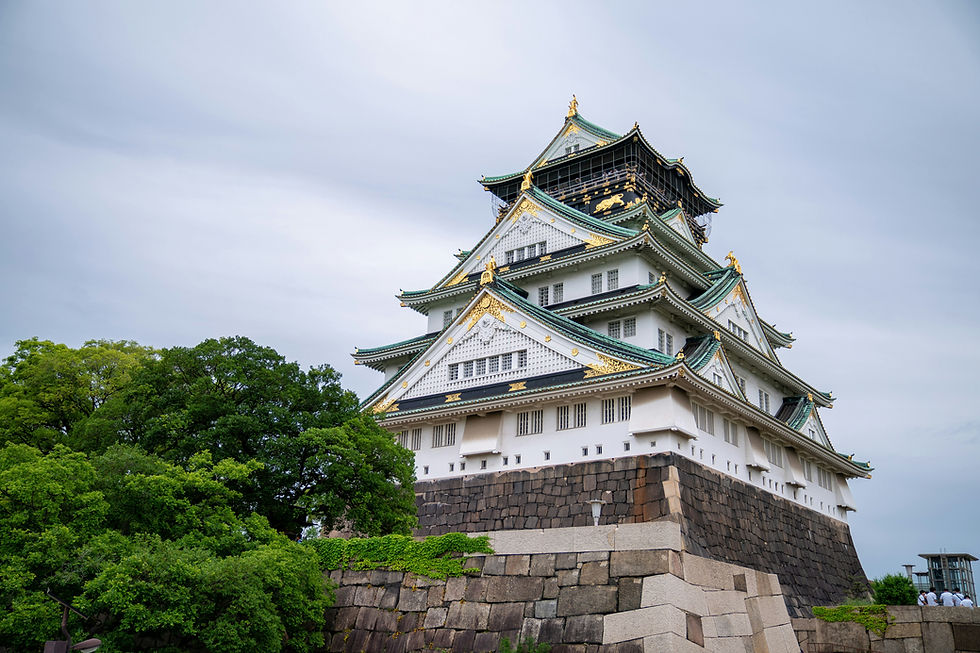
Osaka Castle
The construction of Osaka Castle ( 大 阪 城 , Ōsakajō) started in 1583 on the former site of the Ishiyama Honganji Temple, which had been destroyed by Oda Nobunaga thirteen years earlier. You can walk around the castle grounds for free or pay to enter the castle (museum) onsite.
Osaka Aquarium Kaiyukan
Is one of Japan's most spectacular aquariums. It introduces various forms of life inhabiting the Pacific Rim in a well organized and impressive way.
National Museum of Art
The museum focuses on Japanese and foreign contemporary art with exhibitions from the museum's collection and special exhibitions.
Minami
It is the city's most famous entertainment district and offers abundant dining and shopping choices.
Shitennoji Temple
Is one of Japan's oldest temples and the first ever to be built by the state. It was founded in 593 by Prince Shotoku, who supported the introduction of Buddhism into Japan.
Kuromon Market
The market has about 150 shops that predominantly sell fish, meat and produce, with other shops also purveying traditional sweets and low priced clothes and homeware.
Restaurants


CULTURAL CONSIDERATIONS
& etiquette

Proper Use of Chopsticks
Do not stick chopsticks upright in a bowl of rice, as it resembles a funeral ritual. Passing food directly from one set of chopsticks to another is also considered impolite.
Queueing and Waiting
Line up in an orderly manner when waiting for public transport, entering a building, or at popular attractions. Cutting in line is generally frowned upon.
Gift Giving and Receiving
Gift-giving is a common practice, and it's polite to show humility when receiving a gift. When presenting a gift, offer it with both hands and express gratitude.
Onsen (Hot Springs) Etiquette
Before entering an onsen, thoroughly wash and rinse your body. Swimsuits aren´t allowed. Tattoos may be frowned upon in some places, so check the onsen's policy beforehand. Consider booking a private onsen at Tenseien Hotel when we arrive at the front desk (around $20 for an hour). Also, remember to keep towels out of the water. Ask your guide if you have specific questions about your situation.
Trash Separation
Japan has strict rules about waste disposal, and it's crucial to separate trash into categories such as burnable, non-burnable, and recyclable. Follow local guidelines to dispose of waste correctly.
Cultural Festivals and Customs
Be aware of local festivals or customs that may be happening during your visit. Participating or observing these events can provide a deeper understanding of Japanese culture Respecting these cultural nuances will help you have a more enjoyable and respectful experience in Japan
Politeness and Respect
Japanese culture places a high value on politeness and respect. Use polite language, bow when appropriate, and be mindful of others' personal space.
Footwear Etiquette
Remove your shoes when entering someone's home, traditional inns (ryokan), and certain traditional establishments like temples. It's common to wear indoor slippers provided by the host.
Silence in Public Spaces
Keep conversations at a low volume, and avoid speaking loudly in public places such as trains and buses. Using your phone on public transportation is also discouraged, so no talking on the phone in trains

Cash Transactions
While credit cards are becoming more widely accepted, especially in urban areas, it's still common to use cash. Always have some yen on hand, especially in rural or less touristy locations.
Top style tips for Japan
Japanese style is relatively conservative as a whole, most Japanese people dress modestly, in muted colors. Visitors should avoid revealing clothing when visiting temples and shrines, as these are places of worship and respect should be shown. Casual clothing is common in Japan; Shorts, jeans, and camisoles are perfectly fine to wear as long as you don’t plan on attending religious sites
CASH, CARD
& GRATUITY
If you plan to use cash, global adventurers pull out between $200-300 USD in Japanese yen, approximately 30K-45K JPY when you arrive. You can use an ATM machine for this. International bank fees pay apply, depending on your bank and card. If you don’t buy souvenirs, 15K JPY (approx $100 USD) is a good amount to have on hand.

When to spend cash
Adventurers like to spend cash on small purchases, snacks at convenient stores, vending machines for coffees, feeding the deer and monkeys and souvenirs. Most businesses accept cards. Having cash when going out is good because most restaurants, bars, coffee shops, bakeries, taxies, and even smaller grocery shops don't accept cards but local currency cash only. If you go to a restaurant to grab a quick meal, please check if they accept cards.
%202.png)
Cell Phone Service
We recommend you to get an international plan in the USA or you can get a SIM card or E-SIM in Japan. Airports usually have stores / stands where you can get a SIM or ESIM card.
Tipping Guidelines
We are so excited to have you with us on this Runseek adventure in Japan! This event has been carefully planned and executed with attention to every detail, with the hope that it not only meets but exceeds your expectations, creating a truly memorable experience. We also wish to let our adventurers know that for all included activities throughout the week, a culturally appropriate gratuity has already been provided on your behalf. This means you can simply enjoy the journey without feeling obligated to tip. That said, if you would like to show additional appreciation to the local staff, your gesture will be warmly received. Adventurers are welcome to tip the local crew at the end of the week as a way of thanking them for their dedication and care.
While tipping is never required or expected, it is always appreciated. A tip between 3-6 UDS per crew member per day is considered a generous and thoughtful contribution. To keep things simple and personal, we kindly ask that guests tip crew members directly. Please do not pool money to be divided among the team—individual tips are preferred. Tips should be given in cash only. Your recognition goes a long way in supporting our incredible team, and we thank you for helping us make this Runseek adventure a meaningful and memorable experience for everyone involved.

Learning
JAPANESE
Historically, Japanese evolved from early influences of Chinese script, shaping its written form over centuries. During the Heian period (794–1185), hiragana and katakana developed, making written Japanese more accessible. Today, the language is deeply rooted in Japan’s culture, with different levels of politeness used depending on the situation. While many people in big cities like Tokyo, Kyoto, and Osaka understand some English, learning basic Japanese phrases can make your travels smoother and more enjoyable. As you explore Japan and take part in your running adventure, embracing the language—even just a few words—will open doors to deeper connections with locals. Whether you're ordering a meal, asking for directions, or simply greeting someone with a cheerful "Konnichiwa", making an effort will be appreciated.
Japanese is a fascinating language with a rich history and unique writing system. It uses three scripts: hiragana, a phonetic alphabet for native words and grammatical elements; katakana, mainly for foreign words and names; and kanji, characters borrowed from Chinese that add depth and meaning to the language. While learning Japanese can be challenging, simple phrases and greetings can enhance your experience and interactions with locals during your journey.

Here’s a list of essential Japanese expressions to help you as you explore Japan:
Greetings & Courtesy
Konnichiwa – Hello
Ohayō gozaimasu – Good morning
Konbanwa – Good evening
Arigatō – Thank you
Arigatō gozaimasu – Thank you very much! (More formal)
Sumimasen – Excuse me / Sorry / To get someone’s attention
Onegai shimasu – Please
Transportation & Directions
Toire wa doko desu ka?
Where is the bathroom?
Ikura desu ka?
How much does it cost?
Tasukete kudasai!
Help, please!
Food & Restaurants
Menyū o kudasai
The menu, please.
Osusume wa nan desu ka?
What do you recommend?
O-kaikei onegai shimasu
The check, please.
Basic Interactions
Eigo o hanasemasu ka?
Do you speak English?
Totemo tanoshii desu!
I’m having so much fun
WI-FI & POWER OUTLETS
Wi-Fi
Internet access is widely available in Japan, especially in urban areas and tourist destinations. Generally, establishments that offer free wifiwill have the network name and password located somewhere visible.
Don't hesitate to ask for a Wi-Fi password when enjoying restaurants,bars and cafes as most of them provide free access for their clients.


Power Outlets
The voltage in Japan is typically 100 volts at a frequency of 50 or 60 Hz. The is the most common type of outlet in Japan is Type A. It has two flat pins and is ungrounded.
If you plan to use electronic devices from countries that use different plug types, you will need a plug adapter to fit yourdevice into Japanese outlets. You can easily find these adapters at airports, electronics stores, or online retailers.
Most modern electronic devices (which often have voltage ranges of 100-240 volts and are compatible with both Japanese voltages).However, it's essential to check your device's voltage compatibility before plugging it in. If your device is not compatible with 100 volts, you may need a voltage converter or transformer to avoid damage.

GET IN TOUCH
VACATION RACES
Beat the next price increase, be the first to unlock new destinations and more. Sign up for our newsletter.